

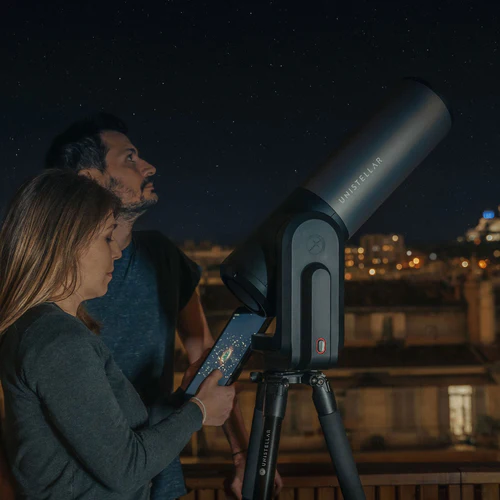
A smart telescope is often the starting point for many new stargazers who want a guided and technology-supported observing experience. At the same time, traditional optical instruments such as a Vixen refractor telescope continue to attract beginners who prefer direct visual observation and manual sky navigation. Understanding the differences between these two options helps new users make a practical and informed decision.
Elite Telescopes offers both smart telescope systems and refractor telescopes from established manufacturers. The available selection reflects a focus on quality optics and functional design rather than exaggerated performance claims.
Understanding a Smart Telescope
A smart telescope combines optics, computerized tracking, and digital imaging into one integrated system. Unlike traditional telescopes that require manual alignment, a smart telescope typically uses built-in technology to identify and track celestial objects.
This design simplifies the observing process. After initial setup and alignment, the system automatically locates selected targets. As a result, beginners spend less time adjusting settings and more time viewing objects.
Most smart telescope models are compact and portable. They are designed for convenience, especially for users observing from suburban or urban environments where light pollution can affect visibility.
How a Smart Telescope Works
A smart telescope gathers light through its optical tube. Instead of displaying the view directly through an eyepiece, the image is processed digitally. The processed image appears on a connected device.
Because the tracking system operates automatically, the telescope follows celestial objects as they move across the sky. This reduces the need for manual corrections.
For beginners, this automated system can make astronomy more approachable. However, users should understand that digital viewing differs from traditional optical viewing.
Who It Is Best For
A smart telescope is generally suitable for:
- Beginners who prefer automated guidance
- Users interested in digital image viewing
- Observers in areas with moderate light pollution
- Individuals who want a compact, all-in-one system
Although automation reduces the learning curve, some users may prefer a more hands-on approach.
Understanding a Vixen Refractor Telescope
A Vixen refractor telescope follows a traditional optical design that uses lenses to collect and focus light. Refractors are widely known for producing sharp and high-contrast images, especially when observing the Moon and planets.
At Elite Telescopes, refractor models represent carefully selected instruments from established brands. Vixen is recognized for producing reliable optical equipment designed for clarity and stability.
What Makes Refractors Popular
Refractors offer several practical advantages:
- Clear and sharp image quality
- Sealed optical tube design
- Low internal maintenance
- Simple optical structure
Because refractors do not rely on internal mirrors, alignment maintenance is minimal. As a result, they are often recommended for beginners who want dependable performance.
Who Should Choose a Refractor
A Vixen refractor telescope may be ideal for:
- Beginners who want to learn manual sky navigation
- Observers interested in planetary and lunar detail
- Users who prefer direct eyepiece viewing
- Individuals who value optical clarity
Unlike a smart telescope, a refractor typically requires manual object location unless paired with an advanced mount. Therefore, users must be prepared to spend time learning constellations and star positions.
Key Buying Considerations for New Stargazers
Choosing between a smart telescope and a refractor involves several practical considerations.
Observing Experience
A smart telescope offers digital viewing. Images are displayed on a connected screen. This can make faint objects easier to see in certain conditions.
A refractor provides direct visual observation. Many astronomers appreciate looking through an eyepiece and observing natural light without digital processing.
Ease of Setup
Smart telescope systems simplify alignment. Therefore, beginners may feel more confident during early observing sessions.
Refractors require manual alignment unless paired with a motorized mount. While this takes more effort, it also helps users develop sky familiarity.
Portability
Many smart telescope models are compact and lightweight. This makes them convenient for travel.
Refractor telescopes vary in size depending on aperture and mount configuration. Smaller refractors remain portable, while larger models require more space.
Long Term Learning
A smart telescope reduces technical complexity at the beginning. However, users interested in learning celestial navigation may find more educational value in manual refractor use.
Because observing preferences evolve over time, it is useful to consider long term interest rather than only initial convenience.
Exploring Options at Elite Telescopes
Elite Telescopes provides a curated range of astronomy equipment, including smart telescope systems and refractor telescopes from established brands such as Vixen. The product selection reflects a focus on functional design and optical reliability.
The store emphasizes product clarity and transparent specifications. Rather than making unrealistic claims, the available information focuses on what each instrument is designed to do.
New stargazers can review available models, compare specifications, and evaluate accessories suited to their chosen observing style.
Conclusion
Both a smart telescope and a Vixen refractor telescope offer meaningful entry points into astronomy. A smart telescope supports automated tracking and digital viewing, which can simplify early experiences. In contrast, a refractor encourages hands-on learning and direct optical observation.
The decision depends on how you prefer to experience the night sky. Some users value convenience and automation. Others prefer traditional techniques and manual exploration.
Elite Telescopes offers options in both categories, allowing beginners to select equipment based on practical needs and observing goals. If you require guidance before making a decision, you can contact us today for further assistance.
Frequently Asked Questions
1. Is a smart telescope suitable for complete beginners?
Yes. A smart telescope often includes automated alignment and tracking, which can reduce setup time and simplify early observations.
2. Is a Vixen refractor telescope good for planetary observation?
Refractors are known for producing sharp and high-contrast images, making them suitable for viewing the Moon and planets.
3. Does a smart telescope replace traditional astronomy skills?
A smart telescope simplifies object location. However, users can still learn about constellations and celestial movement if they choose to deepen their knowledge.
4. Which option requires less maintenance?
Refractors typically require minimal optical maintenance. Smart telescopes may require attention to battery charging and software updates.
Share:
Smart Telescopes for City Stargazers — Best Models for Light-Polluted Skies
Best Telescope for Beginners: Smart Telescopes, Vixen Refractors and Premium Stargazing Equipment