

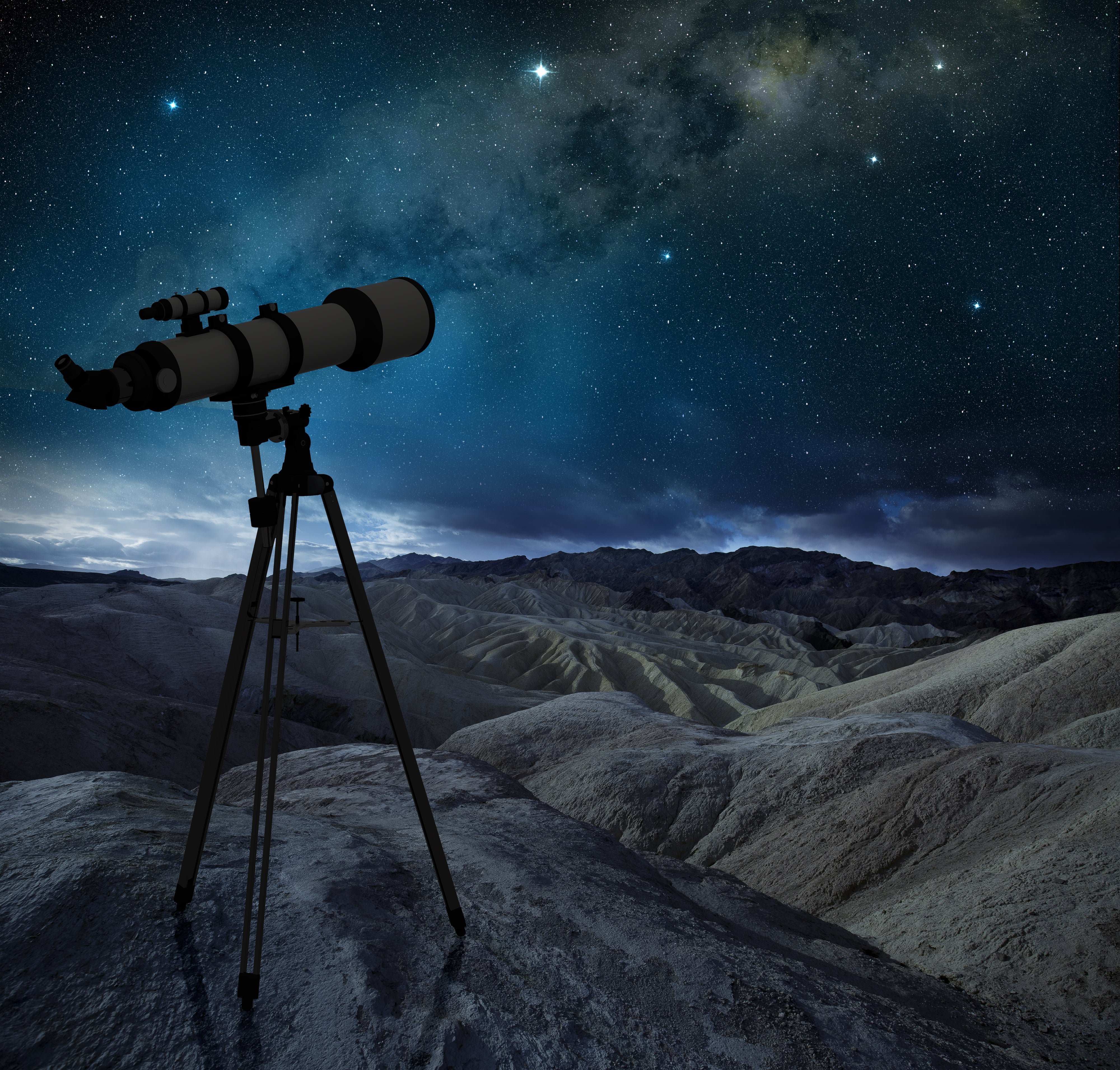
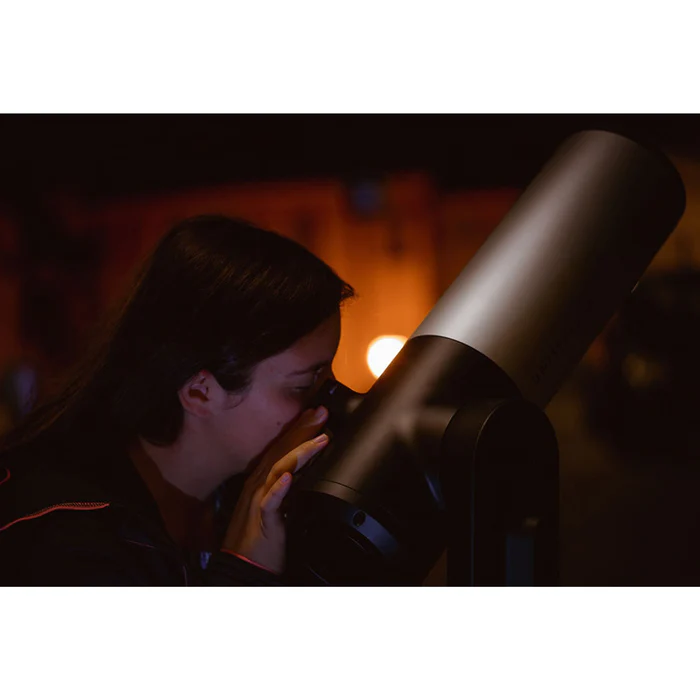
A smart telescope can be an excellent tool for city stargazers who want to enjoy the night sky despite bright urban conditions. Light pollution often makes it difficult for beginners to locate celestial objects, even when using traditional telescopes. A smart telescope helps simplify the process by guiding users toward visible targets, reducing alignment time, and improving the overall observing experience. These capabilities make it a practical choice for newcomers who want clarity, simplicity, and support during their early observing sessions. At Elite Telescopes, the selection focuses on beginner-friendly and hobby-level telescopes designed with ease of use, stable designs, and intuitive handling in mind, making them suitable for city observers who want consistent performance without unnecessary complications.
Why Smart Telescopes Work Well in Cities
City environments come with unavoidable challenges such as skyglow, streetlights, and limited open spaces. These conditions reduce contrast and make dim objects harder to find, but smart telescopes offer features that help compensate for these challenges.
Assisted Object Location
Smart telescope often include app-guided pointing assistance. This feature helps users locate bright objects that remain visible even when city lights interfere with darker objects. Instead of manually searching, users receive step-by-step guidance through their mobile device, which reduces frustration and saves time.
Target Recommendations Based on Conditions
Some smart systems suggest objects bright enough to appear clearly under light-polluted skies. This helps beginners focus on realistic targets such as the Moon, planets, and certain star clusters. It prevents wasted time spent searching for objects that would remain invisible under urban lighting.
Viewing Enhancements for Brighter Objects
While no telescope removes light pollution, smart telescopes may include modes that help brighten details or enhance contrast when observing planets and the lunar surface. These tools support better clarity without promising results that are unrealistic in bright city environments.
How Technology Supports Urban Stargazing
Although smart telescopes provide digital assistance, they remain learning tools rather than replacements for astronomy skills. Their technological features support beginners by simplifying complex steps.
Mobile App Integration
Many smart telescope systems rely on an easy-to-use app that manages alignment, pointing, and observing recommendations. Instead of memorizing star charts or adjusting by trial and error, the user receives guidance directly from their device. This helps new observers focus more on observing and less on setup.
Quick Alignment Assistance
Sensors within the telescope help identify orientation automatically. This reduces the amount of manual adjustment needed to calibrate the telescope. Urban observers benefit from this when they have limited viewing time due to building spacing, weather changes, or short windows of clear skies.
Real-Time Learning Tools
Most smart telescope apps explain what the user is observing and provide basic context. This encourages gradual learning without requiring extensive knowledge beforehand. The goal is to help beginners feel comfortable while developing their understanding of the night sky.
Key Features to Look for in a Smart Telescope
Choosing the right smart telescope for use in urban environments requires paying attention to features that matter most under bright sky conditions.
Aperture Size
Aperture determines how much light the telescope gathers. Although larger apertures generally offer improved performance, urban observers may prioritize convenience and portability. Smart telescopes often use moderate apertures paired with digital assistance, making them effective for bright objects without requiring heavy or complex designs.
Stable Mount Design
Stability is essential. A steady mount keeps the telescope aligned properly with its digital guidance system. A wobbling mount can cause misalignment, making it more difficult to track objects or follow app instructions.
User-Friendly Setup
City users often have limited space—balconies, rooftops, or small yards. A quick, simple setup ensures they can start observing with minimal preparation.
Portability for Urban Movement
Urban stargazers may move between different spots to avoid local lighting. Lightweight and compact telescopes are more likely to be used frequently because they can be carried easily.
Why Smart Telescopes Appeal to Beginners
Beginners often struggle with finding objects, aligning their telescope, and understanding what they are observing. Smart telescopes address these challenges without making claims beyond realistic expectations.
They offer:
- Simple guidance for object location
- Clear instructions through an app
- Intuitive controls
- Stable designs suited for city viewing
- Portable formats that work well in urban spaces
This combination supports consistent use and gradual learning without overwhelming the user.
Smart Telescope Feature Comparison for Light-Polluted Skies
The table below outlines general smart telescope characteristics useful for city observers. It does not reference specific models outside what aligns with the style of designs offered at Elite Telescopes.
|
Feature |
Benefit in City Skies |
Notes |
|
App-Guided Alignment |
Helps set up quickly in bright environments |
Works best with a stable mount |
|
Object Suggestion System |
Focuses on visible targets |
Avoids objects too dim for urban skies |
|
Enhanced Viewing Modes |
Improves views of bright objects |
Does not eliminate skyglow |
|
Compact Bodies |
Easy to carry to rooftops or parks |
May limit aperture size |
|
Educational Tools |
Supports beginners’ learning |
Varies by manufacturer |
How to Maximize City Stargazing with a Smart Telescope
Even with digital assistance, city observing requires mindful practices. The following tips help users get consistent results:
Choose Bright Celestial Objects
Planets such as Jupiter and Saturn, the Moon, bright star clusters, and double stars show the best detail in urban skies. Smart telescopes often highlight these as recommended targets.
Reduce Nearby Light Sources
Avoid pointing the telescope near streetlights, building lights, or vehicle headlights. A darker position within the urban environment increases contrast.
Let the Telescope Adjust Before Observing
Optics perform best once they reach thermal balance. Allowing a few minutes for stabilization improves clarity.
Use Smart App Recommendations
Smart apps analyze conditions and offer helpful suggestions. Following their guidance helps minimize frustration and increases observing success
Realistic Expectations for City Stargazers
Urban astronomy requires practical expectations. Smart telescopes help compensate for light pollution but cannot display faint deep-sky objects that require dark conditions. Instead, they excel at guiding users to brighter celestial objects and simplifying the experience so beginners stay engaged and enjoy the process.
City Stargazing and Elite Telescopes
At Elite Telescopes, the available telescope options focus on usability, optical clarity, and stability—qualities important for city observers. While features vary by model, the emphasis remains on helping beginners and hobbyists choose telescopes that work well in everyday observing environments. Smart-style designs, intuitive controls, and manageable sizes reflect what many urban stargazers look for when selecting their first instrument.
Practical Advice for Choosing Your First Smart Telescope
Prioritize User Experience Over Specifications
A smart telescope should be intuitive, with clear controls and supportive digital tools. Beginners benefit more from ease of use than from complex specifications.
Look for Stability and Consistency
A smooth and stable mount supports both manual and digitally guided movements, making observing sessions more enjoyable.
Choose a Telescope You Will Use Often
If a telescope is difficult to carry or set up, it will remain unused. Lightweight and portable models are ideal for city conditions.
Understand What Smart Assistance Can Do
Digital guidance helps users find and track visible objects, but it does not remove light pollution or guarantee visibility of faint objects.
Conclusion
Smart telescopes offer city observers an accessible and practical way to explore the night sky despite the challenges of light pollution. Their guided alignment, intuitive interfaces, and educational tools make them effective choices for beginners who want a clear and manageable learning experience. The telescope options at Elite Telescopes reflect these principles, focusing on clarity, usability, and stable designs suited for urban conditions. If you need assistance selecting the right telescope for your observing environment, you can contact us today for further guidance.
FAQ
What makes a smart telescope helpful in city conditions?
Smart features guide users toward bright, visible objects and simplify alignment in light-polluted areas.
Are smart telescopes suitable for beginners?
Yes. Their app-based controls and guided setup make them easier to learn compared to traditional telescopes.
Can a smart telescope reduce the effects of light pollution?
It cannot remove light pollution but helps users focus on objects that remain visible despite it.
Is a portable smart telescope better for city users?
Portability is useful for those who move between rooftops, balconies, or parks to find darker areas.
Can smart telescopes help me learn astronomy over time?
Guided content and object information support gradual learning as beginners explore the night sky.
Share:
Choosing the Right Premium Telescopes for Clear and Detailed Viewing
Refractor vs Smart Telescope — Which New Stargazers Should Buy