
Astronomy is a hobby that combines curiosity, science, and a sense of wonder about the universe. Whether you are an amateur stargazer or a seasoned observer, having the right equipment is essential. Premium telescopes offer a higher level of precision, clarity, and durability compared to standard options, making them ideal for those looking to explore the night sky in detail.
In this guide, we will explore the different types of telescopes, features to consider, and tips for selecting the best telescope for your needs.
Understanding Premium Telescopes
A premium telescope is designed with higher-quality optics, advanced features, and durable construction. Unlike entry-level models, these telescopes provide sharper images, better light-gathering ability, and smoother operation. This makes them suitable for observing distant celestial objects such as planets, nebulae, galaxies, and star clusters.
Premium telescopes can be classified based on their design and functionality. The main categories include:
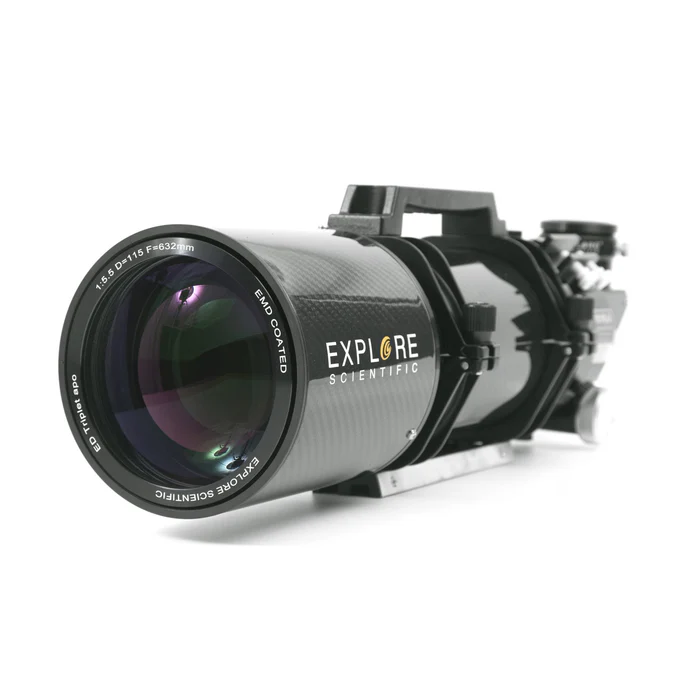
- Refractor Telescopes: Use lenses to bend light and produce an image. Known for their excellent image quality and minimal maintenance.
- Reflector Telescopes: Use mirrors instead of lenses to gather light. Often more affordable for larger apertures and ideal for deep-sky observation.
- Compound Telescopes: Also called catadioptric telescopes, they combine lenses and mirrors to provide versatility and portability.
Each type has its advantages, and choosing the right one depends on your specific needs, observing goals, and budget.
Key Features to Look for in a Premium Telescope
When searching for telescopes, understanding their features can help you make an informed decision. Here are some critical aspects to consider:
Aperture Size
The aperture is the diameter of the telescope's main lens or mirror. It determines how much light the telescope can collect. A larger aperture allows you to see fainter objects and more detail in celestial bodies. For premium telescopes, apertures typically range from 80mm to 300mm or more.
Focal Length and Ratio
The focal length affects the magnification of a telescope. A longer focal length allows for higher magnification, which is useful for observing planets. The focal ratio, which is the focal length divided by the aperture, influences the brightness of the image. Lower ratios provide brighter images, which is especially helpful for deep-sky objects.
Mount Type
The mount is what supports the telescope and allows you to aim it precisely. Common mount types include:
- Altazimuth Mounts: Simple to use, move vertically and horizontally, suitable for beginners.
- Equatorial Mounts: Align with Earth's axis, ideal for tracking celestial objects over long periods.
- Computerized/Go-To Mounts: Automatically locate and track objects using built-in databases, perfect for users seeking convenience.
Optical Coatings
High-quality telescopes often have advanced coatings on lenses and mirrors. These coatings reduce glare, improve light transmission, and enhance image contrast. Premium models frequently use multi-coated optics for optimal clarity.
Portability and Build Quality
Premium telescopes are built to last, with robust construction materials such as aluminum or high-grade plastics. If you plan to transport your telescope to dark-sky locations, portability becomes a critical factor. Compact and lightweight designs are easier to handle without sacrificing performance.
Accessories
Many telescopes come with accessories like eyepieces, finderscopes, and star charts. Additional accessories like Barlow lenses or filters can enhance your observing experience. When selecting a best telescope, check what comes included and whether additional purchases are necessary.
Types of Premium Telescopes
Understanding the differences between telescope types can help you select the right instrument.
Refractor Telescopes
Refractor telescopes use lenses to bend and focus light. They are known for:
- Crisp, high-contrast images
- Minimal maintenance since mirrors are not used
- Compact design for portability
These telescopes are excellent for planetary and lunar observation, as well as wide-field views of star clusters. High-end refractors are often used by astrophotographers due to their consistent image quality.
Reflector Telescopes
Reflectors use mirrors instead of lenses to gather light, offering:
- Larger apertures at a more affordable price
- Excellent deep-sky observing capabilities
- Less chromatic aberration compared to refractors
The main consideration is that mirrors may require occasional alignment (collimation), but the superior light-gathering ability makes them ideal for observing faint galaxies and nebulae.
Compound Telescopes
Also known as catadioptric telescopes, compound models combine lenses and mirrors. Benefits include:
- Compact design without sacrificing aperture
- Versatility for planetary, lunar, and deep-sky observation
- Often equipped with computerized mounts for easier tracking
These telescopes are popular among enthusiasts seeking a balance between portability and performance.
Choosing the Best Telescope for Your Needs
Selecting the best telescope requires evaluating your observing goals, experience level, and budget. Consider the following:
Beginners
For beginners, ease of use and portability are key. A small refractor or altazimuth-mounted telescope can provide a satisfying introduction to astronomy without overwhelming complexity.
Intermediate Observers
If you have some experience, consider larger reflectors or compound telescopes with equatorial or computerized mounts. These options provide higher magnification, better tracking, and the ability to explore deep-sky objects in detail.
Advanced Users
Experienced observers may prefer high-end premium telescopes with large apertures, advanced optics, and computerized Go-To systems. These models enable precise observation and astrophotography of faint celestial phenomena.
Maintenance Tips for Premium Telescopes
Proper care ensures that your telescope delivers optimal performance for years. Here are some maintenance tips:
- Keep optics clean: Use a soft brush or air blower to remove dust. Avoid touching lenses and mirrors with your fingers.
- Store properly: Keep your telescope in a dry, dust-free environment. Cover it when not in use.
- Collimation: Reflector and compound telescopes may need mirror alignment periodically for the sharpest images.
- Lubricate moving parts: Ensure smooth operation of mounts and focusing mechanisms without over-lubricating.
Following these practices will protect your investment and provide consistent performance during stargazing sessions.
Observing Tips for Maximizing Your Telescope
Even with a premium telescope, the quality of observation depends on technique and environment. Here are some tips:
- Choose dark-sky locations: Light pollution reduces visibility of faint objects. Travel to areas away from city lights for best results.
- Let your telescope acclimate: Allow your telescope to reach ambient temperature before observing to prevent image distortion.
- Use appropriate magnification: Avoid over-magnifying objects; higher magnification reduces image brightness and sharpness.
- Track objects smoothly: If using a manual mount, move slowly to follow celestial objects and reduce vibrations.
Consistent practice with these tips will improve both your observational skills and enjoyment of the night sky.
Advantages of Investing in a Premium Telescope
Investing in a premium telescope provides several long-term benefits:
- Enhanced clarity and detail: See celestial objects in greater detail than with standard models.
- Durability and reliability: High-quality construction ensures years of consistent performance.
- Versatility: Suitable for planets, stars, galaxies, and astrophotography.
- Enjoyable learning experience: Facilitates deeper understanding of astronomy and celestial phenomena.
While premium telescopes may require a larger initial investment, their superior performance and longevity make them a worthwhile choice for enthusiasts seeking serious observational experiences.
Where to Find Reliable Telescopes
If you are considering a premium telescope, it is important to purchase from reputable sources that offer accurate product information, warranty, and support. Websites like Elite Telescopes provide a wide selection of premium telescopes and accessories suitable for beginners, intermediate users, and advanced observers. Exploring expert reviews, product specifications, and customer feedback can help guide your decision.
Conclusion
Choosing the right premium telescope is essential for an enjoyable and fulfilling stargazing experience. By understanding telescope types, key features, and proper observing techniques, you can make an informed decision that aligns with your goals. Whether you are just beginning your journey into astronomy or seeking advanced observation capabilities, investing in a high-quality telescope ensures clarity, reliability, and long-term satisfaction.
A well-chosen telescope opens up the wonders of the night sky, allowing you to explore distant stars, planets, and galaxies with precision and detail. By focusing on your needs and considering factors such as aperture, mount type, and portability, you can select the best telescope for your personal astronomical journey.
Share:
How to Choose the Best Telescope for Beginners in 2025
Smart Telescopes for City Stargazers — Best Models for Light-Polluted Skies