

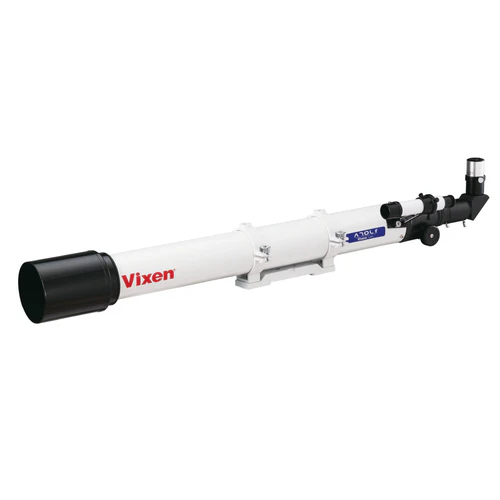
A vixen refractor telescope is often one of the most practical starting points when searching for the best telescope for beginners. At the same time, many new stargazers explore the best smart telescope options for a more automated experience. Understanding the difference between these two categories helps beginners choose equipment that aligns with their observing style and expectations.
Elite Telescopes operates as a dedicated telescope retailer offering premium telescopes, smart telescope systems, and astronomy accessories. The available range focuses on established brands and clearly defined specifications rather than unrealistic claims.
Introduction to Choosing the Best Telescope for Beginners
Choosing the best telescope for beginners involves more than comparing prices. Beginners should first decide how they want to experience astronomy.
Some observers prefer traditional eyepiece viewing. Others prefer digital viewing supported by automated tracking. Therefore, understanding both refractors and smart telescopes becomes essential before purchasing.
Elite Telescopes provides both options, allowing beginners to evaluate traditional and technology-supported systems within the same product category.
Understanding a Vixen Refractor Telescope
A vixen refractor telescope uses precision lenses to collect and focus light. Refractor telescopes are known for sharp and high-contrast views, especially for the Moon and planets.
Vixen telescopes are recognized for consistent optical engineering. Models such as the Vixen ED80Sf refractor telescope and Vixen fluorite refractors represent this lens-based design. These instruments prioritize clarity and mechanical stability.
Optical Design and Viewing Experience
Refractors use a sealed optical tube. Because of this, internal components remain protected from dust and misalignment. Light passes through high-quality lenses before reaching the eyepiece.
As a result, observers experience crisp detail when viewing planetary surfaces or lunar craters. This clarity makes a vixen refractor telescope suitable for beginners who want dependable optical performance without complicated maintenance.
Why Refractors Remain Popular
Refractors offer several advantages:
- Stable image quality
- Minimal optical maintenance
- Straightforward mechanical structure
- Long-term reliability
Although manual alignment may be required, learning to locate objects manually builds sky familiarity. Many beginners value this educational aspect.
Exploring the Best Smart Telescope Options
In addition to traditional refractors, many buyers now consider the best smart telescope systems available. A smart telescope integrates optics, tracking motors, and digital imaging technology into a compact design.
Elite Telescopes offers smart telescope systems from established manufacturers, including models such as the Dwarf 3 smart telescope, Dwarf II smart telescope, Unistellar eVscope 2 digital telescope, Unistellar Odyssey Pro smart telescope, Unistellar Odyssey, Unistellar Equinox 2 smart telescope, and Vaonis Vespera Pro smart telescope.
These instruments combine automated tracking with digital viewing to simplify the observing process.
How Smart Telescopes Work
A smart telescope aligns automatically with the night sky using built-in sensors and software. Once aligned, it tracks selected celestial objects.
Instead of viewing through a traditional eyepiece, users observe processed images on a connected device. Because the system handles tracking, beginners do not need to manually adjust the telescope during observation.
This automation reduces setup time. However, the experience differs from direct optical viewing.
Who May Prefer a Smart Telescope
A smart telescope may suit:
- Beginners who want guided object tracking
- Observers who prefer screen-based viewing
- Users seeking a compact all-in-one system
The best smart telescope for an individual depends on observing goals, portability preferences, and desired features.
Smart Telescope vs Vixen Refractor Telescope Comparison
Understanding the differences between these systems helps beginners set realistic expectations.
|
Feature |
Smart Telescope |
Vixen Refractor Telescope |
|
Alignment |
Automated |
Manual or mount-assisted |
|
Viewing Method |
Digital screen |
Optical eyepiece |
|
Learning Curve |
Lower at start |
Builds manual skills |
|
Maintenance |
Software and battery care |
Minimal optical care |
|
Observing Style |
Guided and digital |
Traditional and hands-on |
This comparison shows that neither option replaces the other. Instead, each serves a different observing preference.
Premium Stargazing Equipment and Astronomy Accessories
Beyond the telescope itself, beginners often require supporting stargazing equipment. Elite Telescopes provides astronomy accessories designed to support both smart telescopes and refractor systems.
Available accessories include compatible mounts, tripods, carrying solutions such as Unistellar backpack options, and filters such as the Unistellar smart solar filter. These accessories improve portability and usability while maintaining compatibility with the selected telescope.
Because astronomy telescopes for sale vary in design and mount requirements, reviewing compatibility ensures a practical setup.
How to Choose the Best Telescope for Beginners
Selecting the best telescope for beginners requires evaluating several factors carefully.
Observing Goals
If your primary interest involves viewing planetary detail or lunar features through an eyepiece, a vixen refractor telescope offers stable optical clarity.
If you prefer automated tracking and digital viewing, a smart telescope may align better with your expectations.
Learning Preference
Some beginners want to learn constellation patterns and manual alignment techniques. Refractors encourage this approach.
Others prefer technology-supported navigation. Smart telescopes simplify object location and tracking.
Portability and Storage
Smart telescopes often feature compact integrated designs. Refractors vary depending on aperture and mount configuration.
Considering storage space and travel frequency helps determine which design is practical.
Long-Term Use
Both smart telescopes and refractors support continued learning. However, the style of interaction differs. Therefore, thinking beyond the first few months of use helps avoid mismatched expectations.
Role of a Specialized Telescope Retailer
Buying from a dedicated telescope retailer provides access to equipment focused specifically on astronomy. Elite Telescopes emphasizes premium telescopes, smart telescope systems, and accessories suited to observational needs.
The product selection reflects established brands rather than generic imports. Clear product specifications allow beginners to understand what each model is designed to deliver.
This approach supports informed purchasing decisions without exaggerated promises.
Conclusion
The best telescope for beginners depends on observing style, technical comfort, and long-term interest in astronomy. A vixen refractor telescope provides traditional optical viewing and encourages manual skill development. In contrast, the best smart telescope systems offer automated tracking and digital viewing for simplified operation.
Elite Telescopes offers both smart telescope models and vixen refractor telescope options within a focused astronomy equipment environment. By comparing optical design, viewing method, and setup requirements, beginners can select equipment based on realistic expectations rather than marketing language.
If you need guidance in selecting the right telescope or compatible accessories, you can contact us today for further assistance.
Frequently Asked Questions
1. Is a vixen refractor telescope suitable for beginners?
Yes. Refractors are known for sharp images and low maintenance, making them practical for beginners who prefer traditional observing.
2. What makes a smart telescope different?
A smart telescope integrates automated tracking and digital image display, reducing manual adjustments during observation.
3. Do beginners need astronomy accessories?
Basic stargazing equipment such as stable mounts or compatible filters can improve usability. Compatibility should be reviewed before purchase.
4. Which option supports long-term learning?
Both systems support continued learning. Refractors emphasize manual skill development, while smart telescopes focus on guided observation.
Share:
Refractor vs Smart Telescope — Which New Stargazers Should Buy
Why a Good Mount & Tripod Matters More Than You Think