

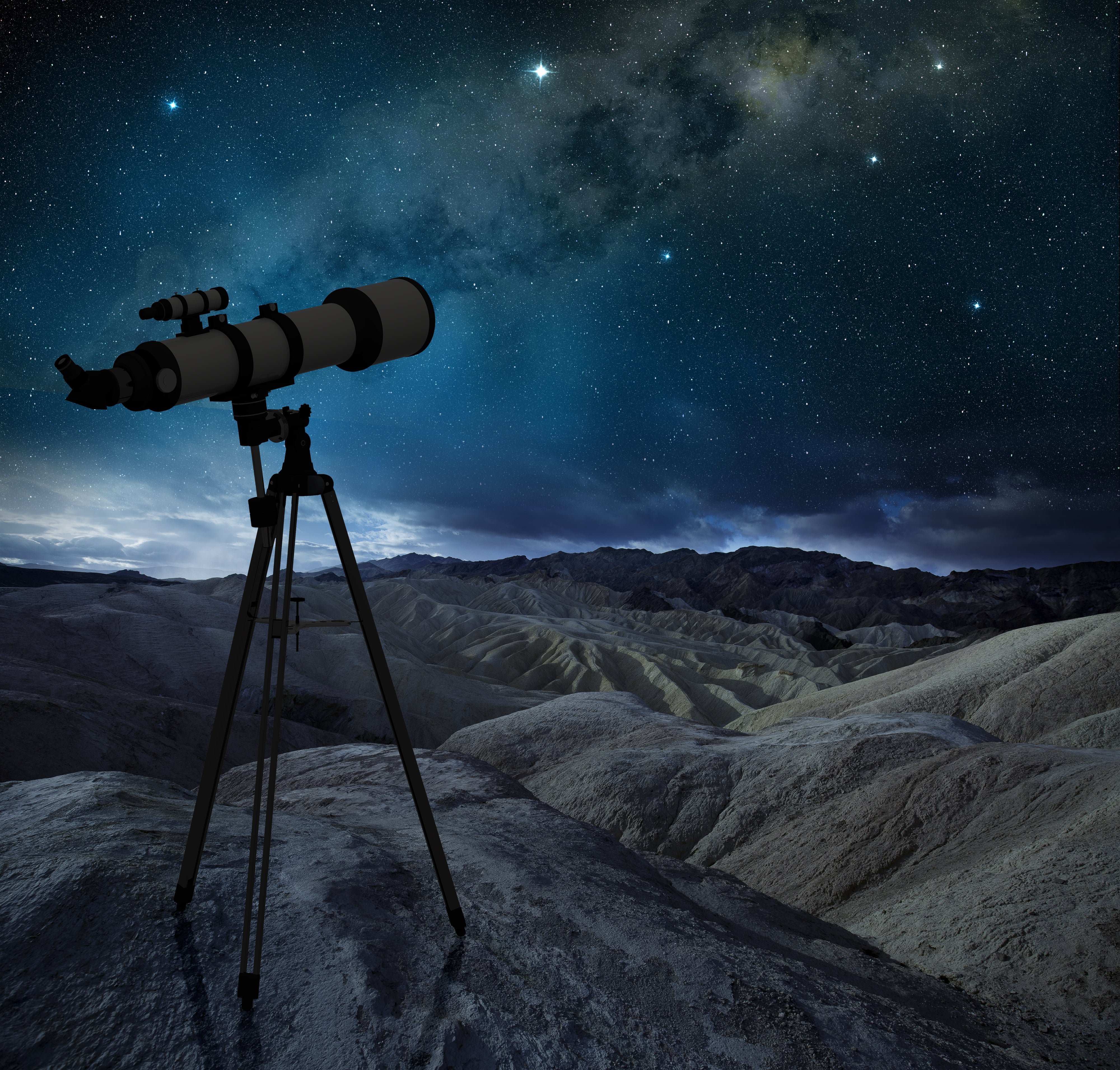
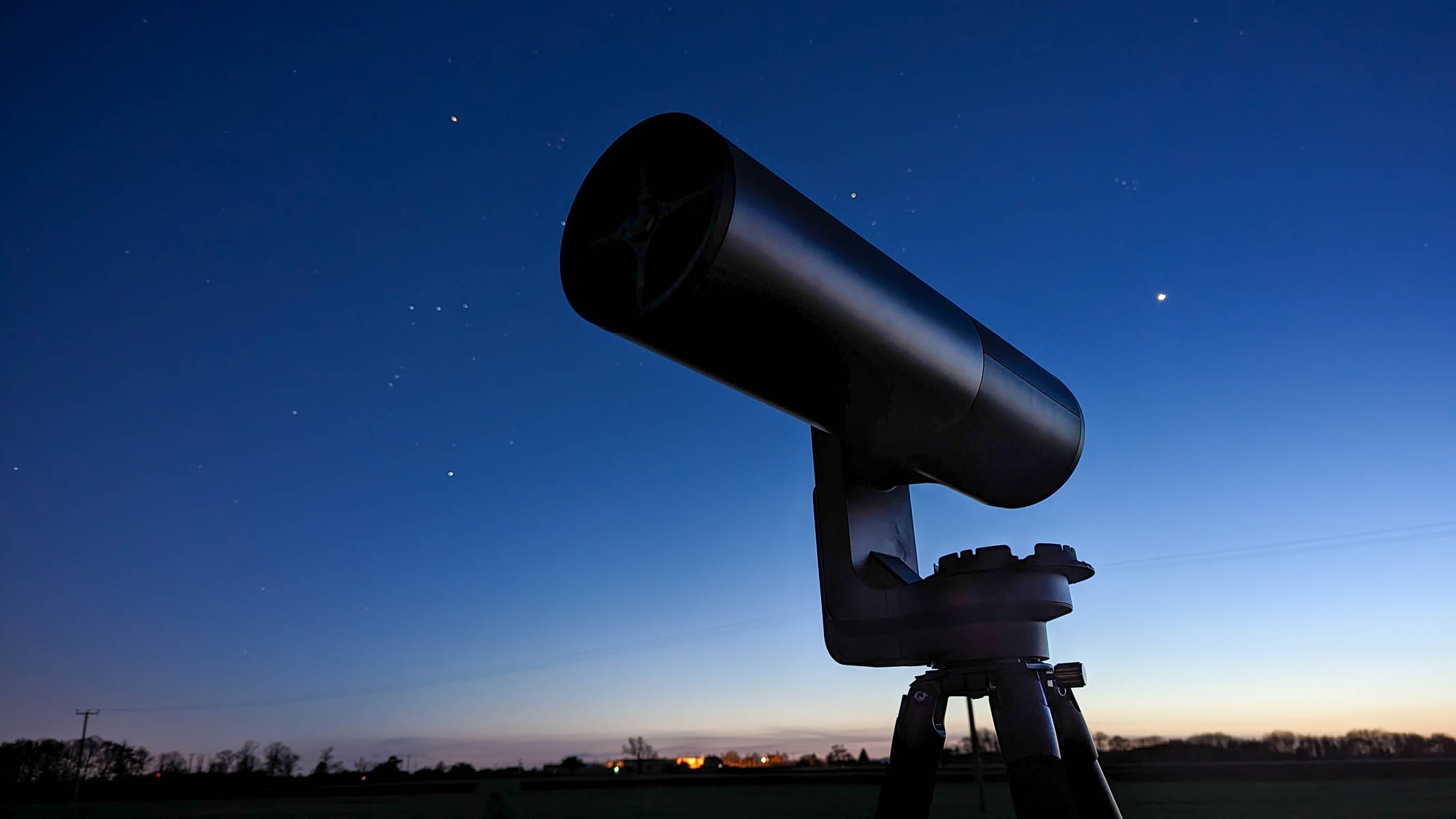
Observing planets through a telescope is a rewarding experience for astronomy enthusiasts, whether you are a beginner or a seasoned stargazer. Using the best smart telescope can enhance your observations and make planetary details more vivid and accessible. In this guide, we will explore practical advice on how to view planets through a telescope, including tips on eyepiece selection, planetary filters, timing guides, steady mounts, and magnification techniques.
Understanding the Basics of Planetary Observation
Before diving into technical tips, it is essential to understand the fundamentals of planetary observation. Unlike deep-sky objects such as galaxies or nebulae, planets appear relatively bright but small in the sky. This means achieving clarity and detail requires careful attention to your telescope setup.
Key factors to consider include:
- Atmospheric Conditions: Clear, stable skies improve visibility. Avoid nights with high turbulence or heavy cloud cover.
- Telescope Quality: A smart telescope with automated tracking and high-quality optics can make observing planets easier.
- Observation Goals: Decide if you want to observe surface details, moons, or atmospheric features like Jupiter’s bands or Saturn’s rings.
Choosing the Best Smart Telescope for Planetary Viewing
Selecting the best smart telescope for your needs is crucial. Smart telescopes often include features like automated alignment, planet tracking, and compatibility with apps for identifying celestial objects.
Key Features to Look For:
- Automated Tracking: Keeps the planet in view as it moves across the sky.
- High-Quality Optics: Lenses and mirrors with minimal distortion improve clarity.
- Portability: Lightweight models are easier to transport to ideal observation locations.
- Connectivity: Integration with apps or cameras allows for image capture and learning resources.
Investing in a smart telescope enhances the planetary viewing experience and provides long-term value for amateur astronomers.
Eyepiece Selection for Planetary Observation
One of the most important factors in planetary observation is eyepiece selection. Different eyepieces offer varying levels of magnification, affecting how clearly you can see planetary details.
- Low Magnification (30-60x): Ideal for locating planets and observing their overall shape and brightness.
- Medium Magnification (100-150x): Helps reveal basic features like Jupiter’s cloud bands or Saturn’s rings.
- High Magnification (200x+): Used for detailed observation, but only when atmospheric conditions are stable.
For visual stargazers targeting planets, combining your telescope’s focal length with an appropriate eyepiece is essential to achieving optimal views.
Using Planetary Filters
Planetary filters are accessories that enhance contrast and bring out specific features on planetary surfaces.
- Red or Orange Filters: Highlight Mars’ surface features and polar ice caps.
- Blue Filters: Improve contrast for observing Jupiter’s cloud bands and Saturn’s atmospheric details.
- Yellow Filters: Enhance the visibility of surface details on Venus and Mars.
Filters are especially useful when viewing planets through the best smart telescope, as they help mitigate atmospheric distortion and improve visual clarity.
Timing and Planetary Position Guides
The best times to observe planets depend on their position relative to Earth and the Sun. For example:
- Opposition: Occurs when a planet is opposite the Sun in the sky, offering peak visibility.
- Early Evening or Pre-Dawn: Often provides the clearest views before atmospheric turbulence increases.
- Planetary Conjunctions: Occur when planets appear close together in the sky, creating spectacular viewing opportunities.
Checking astronomical calendars and apps can help you plan visual stargazing targeting planets effectively.
Ensuring a Steady Mount
A stable mount is crucial for observing fine planetary details. Even minor vibrations can blur the image, especially at high magnifications.
- Tripods and Mounts: Heavy-duty tripods reduce vibration.
- Equatorial Mounts: Track the motion of planets smoothly across the sky.
- Dew Shields and Anti-Vibration Pads: Further improve stability and image quality.
When paired with a smart telescope, a steady mount allows you to focus on planetary features without constant adjustments.
Magnification Tips for Clarity
While high magnification can reveal more details, it also amplifies atmospheric distortion. Here are tips for optimal magnification:
- Start Low: Begin with low magnification to locate the planet, then gradually increase.
- Avoid Maximum Power: Only use the telescope’s maximum magnification when skies are exceptionally steady.
- Monitor Seeing Conditions: Adjust magnification based on atmospheric stability; sometimes less is more.
Proper magnification, combined with the right eyepiece and filters, ensures you can observe planets with clarity and detail.
Additional Observing Tips
- Cool Your Telescope: Allow your telescope to reach thermal equilibrium for sharper images.
- Dark-Sky Locations: Minimize light pollution to enhance contrast.
- Use a Star Chart or App: Identify planets and track their movement efficiently.
- Record Observations: Keep notes or images to compare changes over time.
These strategies help maximize the experience for visual stargazers targeting planets.
Conclusion
Observing planets with a telescope is a rewarding way to engage with astronomy. By selecting the best smart telescope, choosing the appropriate eyepiece, using planetary filters, timing your observations, and ensuring a steady mount, you can enjoy clear and detailed views of our solar system’s planets.
For those looking to explore the sky with reliable equipment, Elite Telescopes’ Smart Telescope Collection offers models that combine advanced optics, automation, and portability, providing a comprehensive solution for aspiring planetary observers.
With careful preparation, thoughtful equipment selection, and attention to viewing conditions, every astronomy enthusiast can enjoy spectacular planetary observations.
Share:
How Does a Smart Telescope Work? A Beginner’s Guide
How to Choose the Best Telescope for Beginners in 2025