

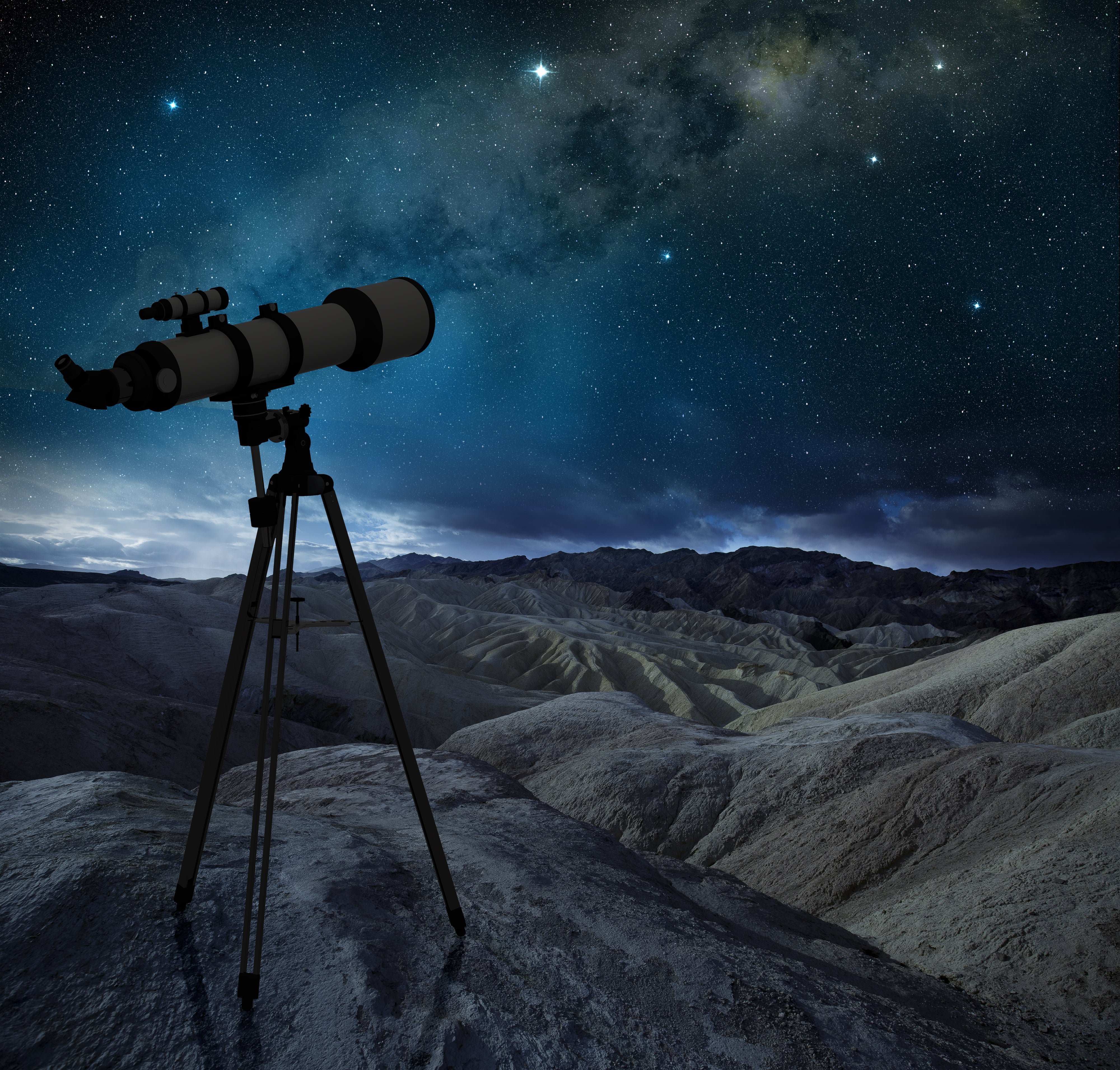

A telescope is more than just a piece of equipment; it is an investment in your passion for astronomy and stargazing. Proper telescope maintenance is essential to preserve its optics, mechanical components, and overall performance. Whether you are a beginner observing the moon and planets or an experienced astrophotographer capturing deep sky images, keeping your telescope in top condition ensures clear views, accurate tracking, and long-lasting reliability.
Many enthusiasts, especially those exploring telescopes for beginners, focus on the telescope’s aperture, magnification, or accessories but overlook the importance of regular care. Dust, moisture, temperature changes, and improper storage can degrade optics, damage mechanical parts, and reduce the lifespan of your telescope. By following simple maintenance routines, you can enjoy sharper images, smoother operation, and longer-lasting enjoyment from your astronomy tools.
Investing time in proper maintenance also protects your telescope investment. High-quality optics and mounts are expensive, and neglect can lead to costly repairs or the need for premature replacements. Regular care ensures that your telescope continues to perform optimally, helping you enjoy every stargazing session to its fullest.
Essential Telescope Care Tips
Keep Lenses and Mirrors Clean
Clean optics are critical for clear and bright views. Dust, fingerprints, and smudges on mirrors or lenses can reduce contrast, blur details, and distort images. Use a soft brush, compressed air, or air blower to remove loose dust. For more thorough cleaning, use lens cleaning solutions designed specifically for optics and a microfiber cloth. Avoid using household cleaners or paper towels as these can scratch the delicate coatings.
Protect Your Telescope from Moisture
Moisture can cause rust on mechanical parts, fogging on mirrors, and even Mold growth on lenses. Always store your telescope in a dry, climate-controlled environment. Using silica gel packs or dehumidifiers in your storage area can help reduce humidity levels. Covering your telescope with a dust cover when not in use protects it from dust, debris, and accidental spills.
Regularly Check Mounts and Tripods
The stability of your Dwarf 3 Smart Telescope is essential for both observation and astrophotography. Inspect all mounts & tripods regularly to ensure screws, bolts, and moving parts are tight and functioning smoothly. Misalignment or wobbling can lead to blurred images and difficulty tracking celestial objects. Remember to tighten connections carefully without over-tightening to avoid damaging the mount threads.
Handle Your Telescope with Care
Always lift your telescope from the base or sturdy structural parts. Avoid picking it up by delicate optical tubes, eyepieces, or mounted accessories. Mishandling can misalign mirrors, knock optics out of place, or damage mechanical components, leading to poor performance or expensive repairs.
Store in a Safe and Stable Location
Your telescope should be stored in a safe place away from direct sunlight, heat, or areas with high foot traffic. A dedicated cabinet or padded carrying case ensures that your telescope remains protected from accidental knocks or bumps. Avoid storing telescopes in attics, basements, or garages where temperature and humidity fluctuations are common.
Check and Maintain Accessories
Accessories like eyepieces, finder scopes, and cameras also require care. Dust or fingerprints on these components can degrade your viewing experience. Clean them carefully with appropriate cleaning tools and store them separately when not in use. Proper maintenance of telescope accessories enhances your observing sessions and prolongs their lifespan.
Seasonal and Long-Term Care
Before Winter or Rainy Seasons
Check for moisture, condensation, or dust accumulation on mirrors and lenses. Use protective covers or moisture-absorbing packs to keep your telescope dry. This is especially important for reflective telescopes where moisture can damage coatings.
After Outdoor Observing Sessions
Wipe down the optical tube, mount, tripod, and accessories to remove dust, dirt, or fingerprints. This is particularly important after observing in windy or dusty conditions. Cleaning after each use prevents long-term buildup and keeps optics in top condition.
Periodic Alignment Checks
For reflecting telescopes, it is crucial to collimate mirrors periodically. Proper alignment ensures sharp focus and prevents distorted views. Even small misalignments can reduce the performance of your telescope significantly, especially when observing planets or deep-sky objects.
Lubrication of Moving Parts
Gears, axes, and mechanical mounts should be lubricated according to manufacturer recommendations. Smooth operation prevents unnecessary strain on motors and mechanical components. Avoid over-lubrication, which can attract dust and create buildup.
Motorized Mount Maintenance
For telescopes with motorized or computerized mounts, check wiring, battery health, and software updates regularly. Keeping firmware and tracking systems current ensures precise tracking and improves long-exposure astrophotography results.
Common Telescope Maintenance Mistakes to Avoid
- Using household cleaners on optics, which can damage coatings
- Storing the telescope in damp basements or hot attics
- Ignoring loose screws or misaligned mounts
- Touching lenses and mirrors with bare hands
- Leaving the telescope exposed to dust, direct sunlight, or extreme temperatures
Avoiding these mistakes preserves the clarity of your optics, maintains smooth operation, and extends the life of your telescope.
Advanced Telescope Care Tips for Astrophotography
For serious stargazers and astrophotographers:
- Use Dew Shields – Prevent moisture from forming on the lens during humid nights.
- Check Polar Alignment – For equatorial mounts, correct polar alignment improves tracking accuracy.
- Calibration Frames – For deep-sky imaging, dark and flat frames can reduce noise and improve image quality.
- Periodic Sensor Cleaning – For telescopes with cameras, sensor cleanliness is essential to avoid artifacts in images.
Conclusion
Proper telescope maintenance is the key to enjoying sharp, clear views of the night sky and preserving your investment. Following these simple care tips, such as cleaning optics carefully, protecting against moisture, checking mounts and tripods, storing equipment safely, and maintaining accessories like the Unistellar Smart Solar Filter, will extend the life of your telescope. Beginners and advanced users alike can benefit from regular care, ensuring smooth operation, safer handling, and optimal performance. By taking a few minutes to maintain your telescope, you safeguard your astronomy tools and fully enjoy the wonders of the universe for years to come.
FAQ
1. How often should I clean my telescope optics?
Clean optics only when necessary, using soft brushes, air blowers, or microfiber cloths to avoid scratching delicate coatings.
2. Can I store my telescope outside?
No, telescopes should be stored indoors in a dry, stable environment to prevent moisture and temperature damage.
3. How do I protect my telescope from dust?
Use a dust cover, store in a cabinet, and place silica gel packs nearby to minimize dust and moisture buildup.
4. Should I lubricate my mount regularly?
Yes, periodic lubrication keeps gears and moving parts smooth but follow the manufacturer’s guidelines to avoid over-lubrication.
5. Can mishandling damage my telescope?
Yes, dropping or lifting incorrectly can misalign optics and damage mounts, tripods, or delicate components.
Share:
Why a Good Mount & Tripod Matters More Than You Think
Why Vixen Refractor Telescopes Are a Top Choice for Beginners and Serious Stargazers