
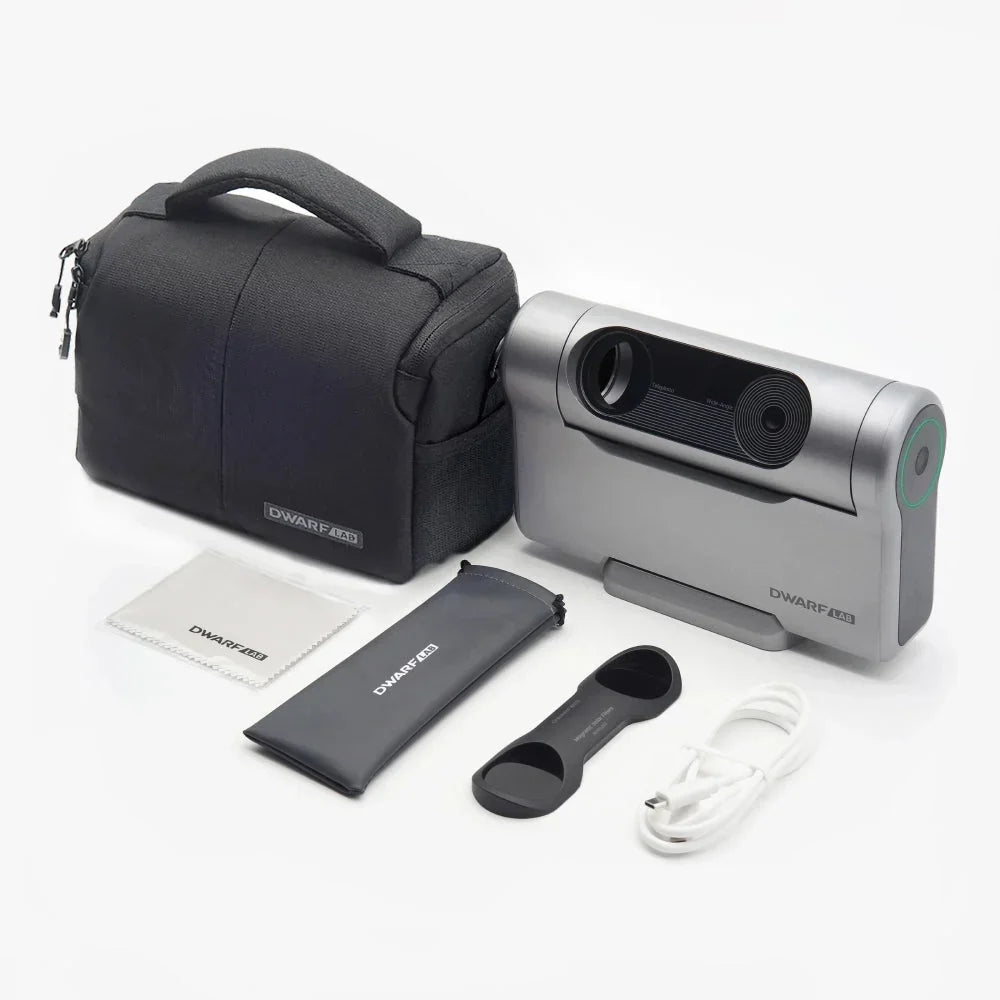
The Smart Telescope market has grown quickly as more astronomy enthusiasts look for portable and easy-to-use devices that simplify stargazing and astrophotography. A Smart Telescope combines automation, imaging technology, and mobile app controls to make observing the night sky more accessible for beginners and hobbyists alike. When comparing the latest options, the Dwarf 3 Smart Telescope and the dwarf ii smart telescope are two models that often appear on buyer shortlists.
If you are searching for the best smart telescope for travel, astrophotography, or casual sky observation, understanding the differences between these two models is important before making a purchase. Both models offer compact designs and intelligent tracking systems, but they target slightly different user needs and performance expectations.
In this comparison from Elite Telescopes, we break down the key differences between the Dwarf 3 Smart Telescope and the dwarf ii smart telescope to help buyers choose the right option for their astronomy goals.
Overview of the Dwarf 3 Smart Telescope
The Dwarf 3 Smart Telescope is the newer generation model designed to improve imaging quality, tracking precision, and overall user experience. It builds on the foundation of earlier models while introducing upgraded hardware and software capabilities.
This Smart Telescope is designed for users who want better astrophotography performance without carrying large traditional telescope setups. Its compact body, AI-assisted tracking, and wireless controls make it appealing for travelers, beginners, and content creators interested in capturing the night sky.
Key highlights of the Dwarf 3 Smart Telescope include:
-
Enhanced camera sensor
-
Improved low-light performance
-
Better object tracking
-
Faster processing speeds
-
Advanced app integration
-
More refined autofocus system
The Dwarf 3 Smart Telescope is often considered a strong option for users looking for a balance between portability and image quality.
Overview of the Dwarf II Smart Telescope
The dwarf ii smart telescope gained popularity because of its affordability and beginner-friendly setup. It introduced many users to automated astronomy and portable astrophotography without requiring extensive technical knowledge.
Although older than the Dwarf 3 Smart Telescope, the dwarf ii smart telescope still remains relevant for casual stargazers and entry-level users. It provides automated sky tracking, smartphone connectivity, and compact portability in a lightweight design.
Main features of the dwarf ii smart telescope include:
-
Compact dual camera system
-
Automatic object tracking
-
Smartphone control
-
Lightweight construction
-
Portable design for travel
-
Beginner-friendly interface
For users entering the Smart Telescope category for the first time, the dwarf ii smart telescope may still offer solid value depending on their budget and expectations.
Design and Portability Comparison
Portability is one of the biggest reasons buyers choose a Smart Telescope instead of a traditional telescope setup.
The Dwarf 3 Smart Telescope maintains a compact footprint while introducing a slightly more refined design with improved build quality. The body feels sturdier and more premium compared to earlier versions. It is designed to withstand more outdoor use while maintaining travel-friendly portability.
The dwarf ii smart telescope is also highly portable and lightweight, making it ideal for quick backyard sessions or travel. However, its older design may feel less polished when compared side by side with the Dwarf 3 Smart Telescope.
Users who prioritize maximum portability may still appreciate the smaller and lighter structure of the dwarf ii smart telescope. However, buyers seeking a more durable and modern build may prefer the Dwarf 3 Smart Telescope.
Camera and Imaging Performance
Imaging capability is one of the most important deciding factors when comparing any Smart Telescope.
The Dwarf 3 Smart Telescope includes a more advanced image sensor with improved light-gathering capabilities. This results in cleaner astrophotography images with reduced noise levels, especially in darker environments.
The improved processing engine also allows the Dwarf 3 Smart Telescope to handle image stacking and tracking more efficiently. Users can capture sharper images of planets, the moon, nebulae, and deep sky objects with less manual adjustment.
In contrast, the dwarf ii smart telescope offers respectable image quality for beginners but has limitations in low-light performance and image detail. While it can still capture impressive shots for casual use, advanced astrophotography users may notice softer detail and increased noise during night sky imaging.
For buyers focused heavily on astrophotography, the Dwarf 3 Smart Telescope clearly delivers stronger imaging performance.
Tracking and AI Features
Modern Smart Telescope systems rely heavily on AI-based object tracking and automated navigation.
The Dwarf 3 Smart Telescope improves tracking accuracy with upgraded AI recognition and motion stabilization. This helps the telescope maintain focus on celestial objects for longer periods, resulting in smoother observation and better image capture.
Another advantage of the Dwarf 3 Smart Telescope is faster object detection and improved automatic alignment. This can save users time during setup and reduce frustration for beginners, especially those transitioning from traditional setups like a Vixen Refractor Telescope.
The dwarf ii smart telescope also supports automatic tracking and object recognition, but its older hardware can occasionally struggle with tracking precision during extended sessions or in less stable environments.
If tracking performance is a top priority, the Dwarf 3 Smart Telescope provides a noticeable upgrade over the dwarf ii smart telescope.
Software and Mobile App Experience
The software experience plays a major role in how enjoyable a Smart Telescope feels during regular use.
The Dwarf 3 Smart Telescope offers a more polished mobile app with smoother navigation, better responsiveness, and enhanced controls for image capture and telescope positioning.
Features such as improved object databases, simplified calibration, and more advanced astrophotography settings make the experience more user-friendly for both beginners and experienced users.
The dwarf ii smart telescope app remains functional and accessible, but some users report slower responsiveness and fewer advanced settings compared to the latest generation software available with the Dwarf 3 Smart Telescope.
Buyers who value app quality and software updates may find the Dwarf 3 Smart Telescope more future-ready.
Battery Life and Power Efficiency
Battery performance can significantly impact outdoor astronomy sessions.
The Dwarf 3 Smart Telescope generally offers better power efficiency and longer operational time due to upgraded internal components and software optimization. This allows users to spend more time observing and less time managing charging interruptions.
The dwarf ii smart telescope provides adequate battery life for shorter sessions, but longer astrophotography sessions may require external power support depending on usage conditions.
For users planning extended night sky imaging, the Dwarf 3 Smart Telescope offers an advantage in power management.
Ease of Use for Beginners
Both models are designed with beginners in mind, but there are some differences in the overall learning curve.
The dwarf ii smart telescope remains one of the easiest entry points into the Smart Telescope category because of its straightforward setup and simplified controls.
The Dwarf 3 Smart Telescope introduces more advanced features while still maintaining an accessible interface. Beginners can still operate it comfortably, while users looking to expand their astrophotography experience with accessories like the Unistellar Smart Solar Filter may appreciate the added manual controls and customization options.
If simplicity is the main priority, the dwarf ii smart telescope may still be attractive for first time buyers. However, users wanting more room for skill development may prefer the Dwarf 3 Smart Telescope.
Price and Overall Value
Price often becomes the deciding factor when comparing the best smart telescope options.
The dwarf ii smart telescope generally comes at a lower price point, making it appealing for budget-conscious users who want to experience automated astronomy without investing heavily.
The Dwarf 3 Smart Telescope costs more due to its upgraded hardware, improved imaging system, and enhanced software capabilities. However, many buyers may find the additional features worth the investment, especially if astrophotography quality matters.
When evaluating value, buyers should consider how they plan to use their Smart Telescope:
-
Casual stargazing and beginner use may fit the dwarf ii smart telescope well
-
Serious astrophotography and long-term use may justify the Dwarf 3 Smart Telescope investment
Which Smart Telescope Is Better?
Choosing between the Dwarf 3 Smart Telescope and the dwarf ii smart telescope depends on user priorities, experience level, and budget.
The Dwarf 3 Smart Telescope stands out for:
-
Better image quality
-
Improved AI tracking
-
Enhanced software
-
Longer battery life
-
More advanced astrophotography capabilities
The dwarf ii smart telescope remains appealing for:
-
Lower budget buyers
-
Casual astronomy use
-
Lightweight portability
-
Simple beginner setup
For users searching for the best smart telescope with stronger long-term performance and improved astrophotography features, the Dwarf 3 Smart Telescope is likely the better option. However, the dwarf ii smart telescope still offers solid value for entry-level users who want a portable and affordable astronomy device.
Final Thoughts
The Smart Telescope category continues to evolve rapidly, giving astronomy enthusiasts more accessible ways to explore the night sky. Both the Dwarf 3 Smart Telescope and the dwarf ii smart telescope represent compact and user-friendly solutions for modern stargazing.
The Dwarf 3 Smart Telescope improves upon earlier generations with stronger imaging, better tracking, and more refined software features. Meanwhile, the dwarf ii smart telescope continues to serve as an affordable and approachable choice for beginners.
At Elite Telescopes, understanding your observing goals, imaging expectations, and budget can help determine which Smart Telescope best fits your needs. Whether you prioritize portability, astrophotography, or beginner simplicity, comparing these two models carefully can lead to a more confident buying decision.
FAQs
1. What is the biggest difference between the Dwarf 3 Smart Telescope and the dwarf ii smart telescope?
The biggest difference is the improved imaging system and AI tracking capabilities found in the Dwarf 3 Smart Telescope. It offers better low-light performance and sharper astrophotography results.
2. Is the dwarf ii smart telescope good for beginners?
Yes, the dwarf ii smart telescope is considered beginner-friendly because of its simple setup, lightweight design, and easy smartphone controls.
3. Which model is better for astrophotography?
The Dwarf 3 Smart Telescope is generally better for astrophotography because of its upgraded camera sensor, improved tracking, and enhanced image processing features.
4. Can both telescopes connect to smartphones?
Yes, both the Dwarf 3 Smart Telescope and the dwarf ii smart telescope support smartphone connectivity through dedicated mobile apps.
5. Which is the best smart telescope for travel?
Both models are portable, but the dwarf ii smart telescope is slightly lighter. However, the Dwarf 3 Smart Telescope offers better durability and imaging performance for travel astrophotography.
Share:
How to Choose the Best Starter Telescope for Your First Stargazing Experience
Best Starter Telescope: Complete Buyer's Guide for First Time Users