
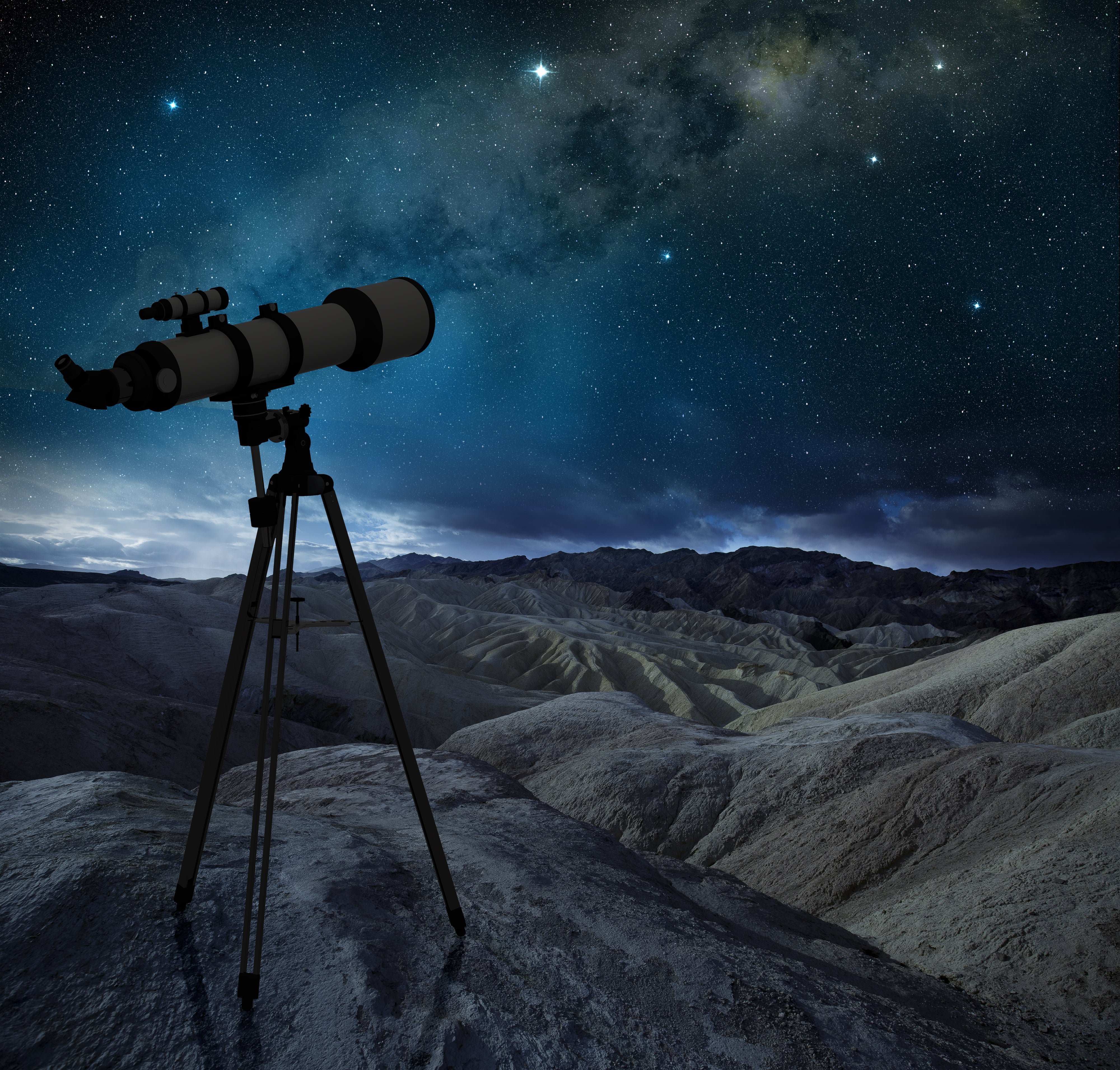
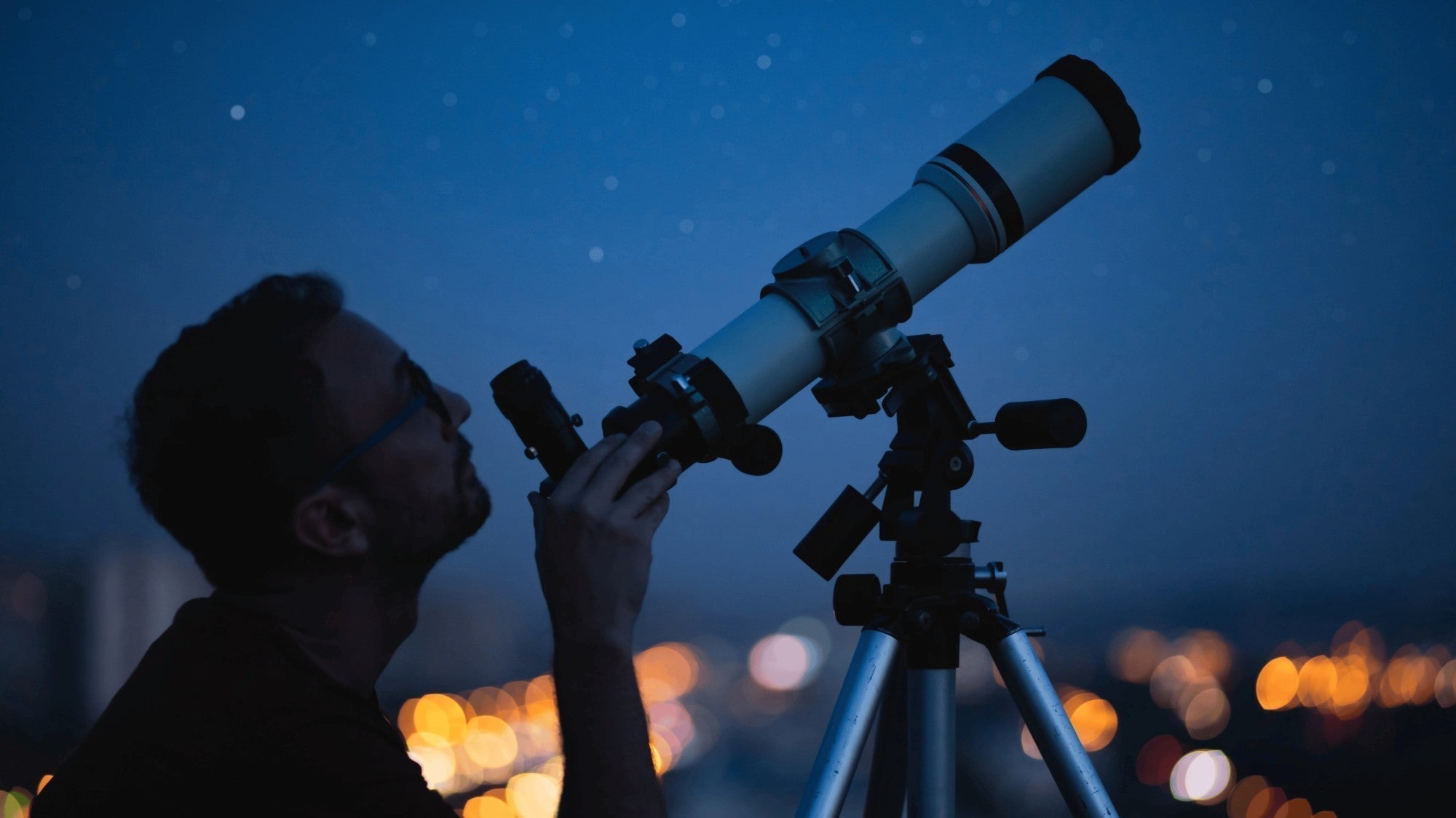
Choosing the right Astronomy Telescopes is an important step for anyone interested in exploring the night sky. Whether you are purchasing your very first telescope or upgrading to a more advanced model, understanding the different options available can help you make a confident and informed decision. With many Astronomy Telescopes designed for different skill levels and observing goals, comparing features before buying is essential to finding equipment that matches your needs.
A telescope is a long term investment in an enjoyable hobby that offers opportunities to observe the Moon, planets, star clusters, nebulae, and distant galaxies. Instead of focusing only on price or advertised magnification, buyers should consider optical quality, telescope design, portability, ease of use, and future upgrade possibilities. This guide explains what to know before purchasing a telescope and highlights the factors that matter most when comparing available models.
Why choosing the right telescope matters
When exploring astronomy telescopes for sale, it's important to understand each telescope's capabilities before making a purchase. Many first-time buyers are attracted to high magnification claims, but magnification alone does not determine image quality. A telescope with excellent optics and a stable mount usually delivers a far better viewing experience than one promising extreme magnification.
The right telescope should support your observing interests while remaining practical to use. Equipment that is simple to assemble, comfortable to transport, and enjoyable to operate encourages more frequent observing sessions and helps users develop astronomy skills over time.
Decide what you want to observe
Before comparing telescope models, think about the celestial objects you hope to explore. Different telescopes perform better for different types of observations.
If your main interest is the Moon and planets, you may prefer equipment that delivers sharp, high contrast images. If you enjoy observing galaxies, nebulae, and star clusters, a larger light gathering capability often becomes more important. Defining your observing goals before purchasing makes it easier to narrow your options and avoid buying equipment that does not suit your interests.
Understanding telescope designs
Every telescope design has advantages depending on experience level, observing style, and budget. Learning the differences helps buyers compare product collections more effectively.
Refractor telescopes
Refractor telescopes use glass lenses to collect and focus light. They are well known for producing sharp images with minimal maintenance because their optical systems remain enclosed.
These models are often recommended for observing the Moon, planets, and brighter celestial objects. Their simple operation also makes them popular among beginners and casual observers.
Reflector telescopes
Reflector telescopes use mirrors instead of lenses, allowing larger apertures at more affordable prices. Their greater light gathering ability makes them excellent for observing deep sky objects.
Although occasional optical alignment may be required, many experienced observers appreciate the excellent value and performance reflector designs provide.
Compound telescopes
Compound telescopes combine lenses and mirrors into compact optical systems. These versatile designs balance portability with strong optical performance across a wide variety of observing situations.
While generally more expensive, compound telescopes appeal to users seeking flexibility without sacrificing image quality.
Why aperture is more important than magnification
One of the most important specifications when comparing telescopes is aperture, which refers to the diameter of the primary lens or mirror. Larger apertures collect more light, producing brighter images and revealing greater detail. If you're considering a smart phone telescope setup for capturing images of the Moon or planets, choosing a telescope with adequate aperture can significantly improve the quality of your observations and photos.
Magnification depends largely on the eyepiece being used, while aperture determines how much detail the telescope can actually resolve. For this reason, experienced observers often prioritize aperture over advertised magnification when selecting astronomy equipment.
Features worth comparing before buying
Several practical features deserve careful attention before making a purchase.
-
Stable telescope mount : A strong mount minimizes vibration and allows smoother tracking of celestial objects. Stable viewing significantly improves the overall observing experience.
-
Quality optical components : High quality lenses or mirrors produce clearer images with improved contrast and sharper detail. Optical quality often influences long term satisfaction more than additional accessories.
-
User friendly controls : Simple adjustment mechanisms, clear instructions, and intuitive operation help beginners spend more time observing instead of struggling with equipment setup.
Choosing a telescope based on experience
Not every telescope is designed for the same type of user. Matching equipment to your experience level helps create a more enjoyable learning process.
Beginners often benefit from simple, reliable models that require minimal maintenance. Amateur astronomers may appreciate additional aperture, advanced mounts, or tracking capabilities. Experienced observers frequently select equipment tailored to specialized interests such as astrophotography or deep sky observation.
Exploring collections organized by experience level can simplify the buying process and make product comparisons more meaningful.
Telescope buying tips for first time shoppers
Purchasing astronomy equipment becomes easier when you approach the decision systematically.
-
Identify your primary observing interests.
-
Establish a realistic budget that includes useful accessories.
-
Compare optical design, aperture, and mount quality.
-
Consider storage space and transportation requirements.
-
Review future upgrade options before making a final decision.
These steps help buyers avoid common mistakes while selecting equipment that remains enjoyable for many years.
Essential accessories to consider
A telescope provides the foundation for astronomy, but several accessories improve comfort and overall observing success.
A quality finder scope helps locate celestial objects more quickly, while additional eyepieces provide different viewing magnifications. A red flashlight preserves night vision during evening observations and makes reading star charts much easier without affecting dark adaptation.
Choosing practical accessories first usually provides greater value than purchasing numerous specialty items before gaining observing experience.
Common mistakes buyers should avoid
Many shoppers focus entirely on promotional claims instead of practical performance. Selecting equipment solely because it advertises extremely high magnification often results in unrealistic expectations.
Another common mistake is purchasing a telescope that is too heavy or difficult to transport. A moderately sized telescope used regularly generally provides a more rewarding experience than larger equipment that remains stored because it is inconvenient to move or assemble.
Buyers should also avoid overlooking the importance of mount stability. Even excellent optics cannot compensate for excessive vibration during observation.
Understanding telescope deals
Many retailers offer seasonal promotions, product bundles, or package discounts throughout the year. While attractive pricing can provide value, buyers should compare included accessories carefully rather than focusing only on the advertised discount. Keeping a telescope journal can also help you track which accessories you use most often, making future upgrades more informed.
Some packages include useful items such as additional eyepieces, carrying cases, filters, or finder scopes, while others may contain accessories that contribute little to the observing experience. Comparing package contents helps determine overall value rather than simply comparing prices.
Choosing a trusted telescope retailer
Purchasing from an experienced telescope retailer offers advantages beyond product availability. Knowledgeable retailers often provide educational resources, detailed product comparisons, and guidance that helps customers understand differences between telescope models.
An established astronomy store typically carries equipment designed for different experience levels, making it easier to compare beginner telescopes, amateur models, refractors, reflectors, accessories, and advanced observing equipment in one location.
Access to educational buying guides also helps customers understand terminology, optical features, and practical considerations before making purchasing decisions.
Building your astronomy equipment over time
Many astronomy enthusiasts gradually expand their equipment instead of purchasing everything at once. Beginning with a quality telescope provides a solid foundation that can later be enhanced with additional eyepieces, filters, tracking systems, cameras, and specialized observing accessories.
Learning the night sky and developing observing skills often contribute more to long term enjoyment than immediately investing in expensive equipment. As experience grows, additional accessories can be selected according to personal interests and observing goals.
Exploring telescope collections before buying
Comparing organized product collections allows buyers to understand how different telescope categories meet different observing needs. Educational resources covering beginner telescopes, amateur models, refractor telescopes, reflector telescopes, astronomy accessories, and observing guides provide valuable information before making a purchase.
Elite Telescopes offers product collections and educational resources that help customers compare telescope designs, understand important specifications, and explore equipment suited to different levels of astronomy experience. Reviewing these informational collections before purchasing helps buyers make well informed decisions based on their observing goals rather than marketing claims alone.
Frequently Asked Questions
1. What should I look for when buying an astronomy telescope?
Focus on aperture, optical quality, mount stability, ease of use, portability, and whether the telescope matches your observing interests and experience level.
2. Are expensive telescopes always better?
Not necessarily. The best telescope depends on your observing goals, experience, and how often you plan to use it rather than price alone.
3. Which telescope type is best for beginners?
Many beginners choose either refractor or reflector telescopes because both offer reliable performance and straightforward operation depending on individual needs.
4. Should I buy accessories with my first telescope?
Basic accessories such as a finder scope, extra eyepiece, red flashlight, and Moon filter can improve the observing experience without adding unnecessary complexity.
5. How can I compare different telescope models?
Review aperture, optical design, mount quality, portability, included accessories, and educational buying guides before selecting the telescope that best fits your observing goals.
Share:
Best Starter Telescope: Complete Buyer's Guide for First Time Users
Types of Telescopes Explained: Which Design Fits Your Needs