
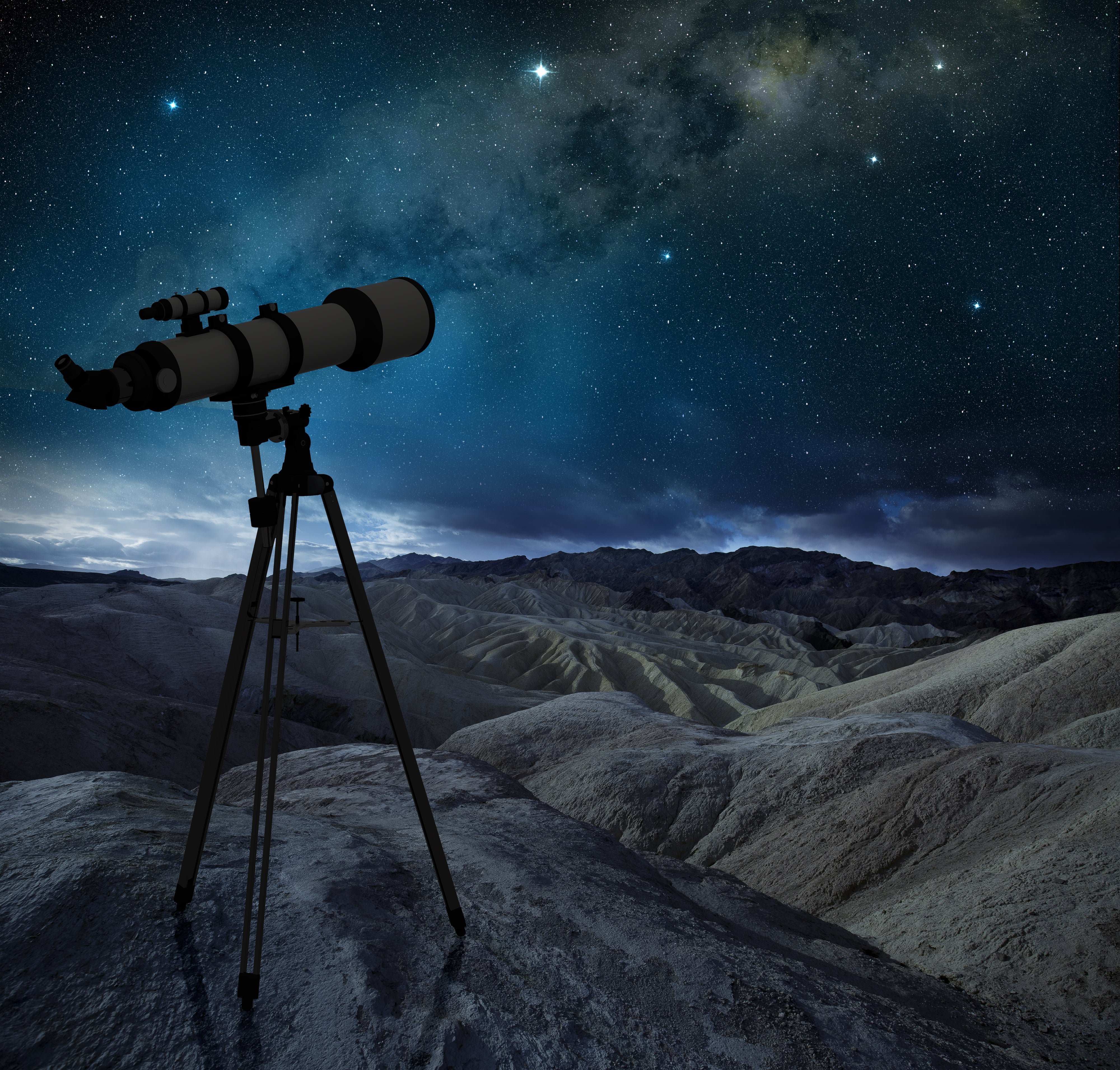
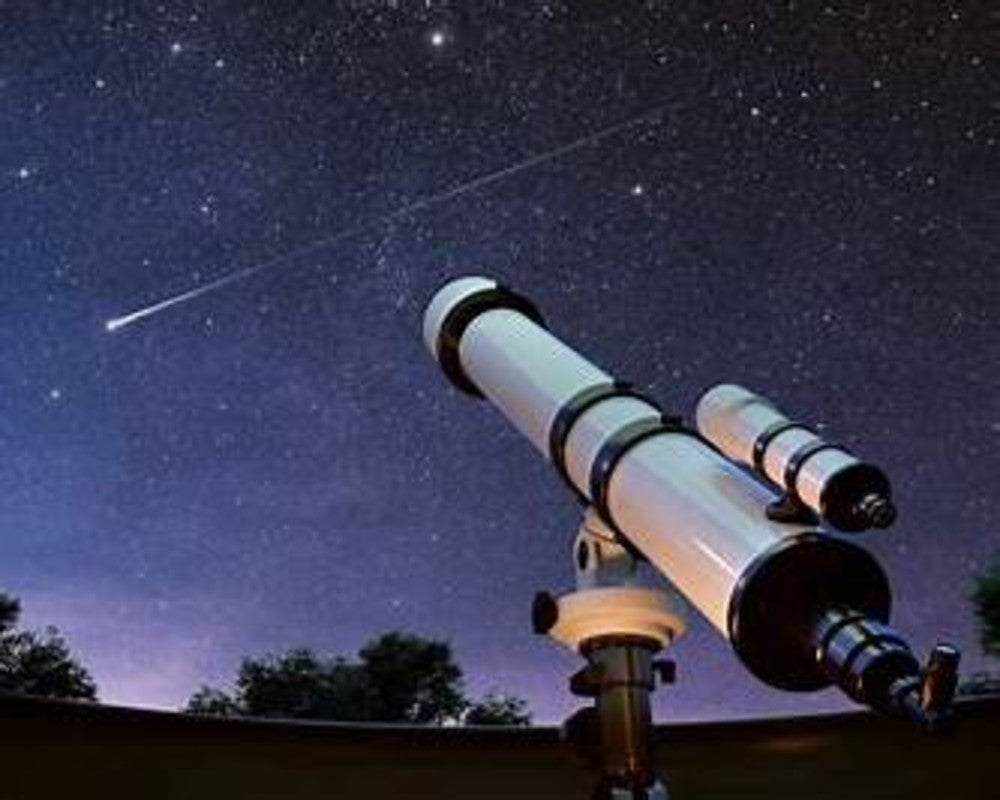
Selecting the right instrument from the wide range of amateur telescopes available today can be challenging because each model is designed with different strengths. Some are optimized for sharp planetary detail, while others are built to capture faint deep sky objects such as nebulae, galaxies, and star clusters. The right choice depends on how you plan to observe and how much complexity you are comfortable with during setup and tracking.
Many beginners searching for astronomy telescopes for sale often struggle to understand what truly matters, especially when comparing aperture size, optical quality, and mount type. A well chosen telescope should balance ease of use with optical performance so that both planetary and deep sky viewing are enjoyable rather than frustrating. Elite Telescopes focuses on making this balance easier by offering beginner-friendly designs that still deliver reliable viewing performance.
This guide explores five of the best amateur telescope options available in 2026, focusing on real world performance, usability, and value for different levels of experience.
How to choose the right telescope
Understanding a few key technical factors makes it easier to select the best telescope for stargazing. Aperture is one of the most important aspects because it determines how much light the telescope can collect. More light means brighter and more detailed images of distant objects.
Mount stability is another critical factor because even small vibrations can blur planetary details at high magnification. Optical design also plays a role, influencing contrast and sharpness across the field of view. Beginners often benefit from telescopes for beginners that are simple to align and do not require advanced calibration.
Ease of use and portability also matter because a telescope that is too complicated or heavy may end up unused. Many users prefer systems that can be set up quickly so they can spend more time observing and less time assembling equipment.
1. Celestron NexStar 8SE
The Celestron NexStar 8SE is one of the most widely recommended options in the category of best amateur telescope models because it combines strong optics with computerized tracking. It uses a Schmidt Cassegrain optical system, which allows a large aperture to be housed in a compact body.
With its 8 inch aperture, this telescope provides excellent light gathering ability, making it suitable for both planetary and deep sky observation. Planets such as Jupiter and Saturn appear detailed, with visible cloud bands and ring structures under good atmospheric conditions. At the same time, deep sky objects like nebulae and star clusters are bright enough to observe with clarity.
The computerized GoTo system is another major advantage. Once aligned, it can automatically locate thousands of celestial objects, making it ideal for users who prefer guided observation rather than manual searching. This makes it especially appealing to those who want a balance between ease of use and advanced capability.
2. Orion SkyQuest XT8
The Orion SkyQuest XT8 is a classic Dobsonian reflector that is often considered one of the best choices for deep sky viewing and is frequently regarded as a best amateur telescope option. Its design focuses on simplicity and optical performance rather than electronics or automation.
The 8 inch parabolic mirror collects a large amount of light, which is especially useful for viewing faint galaxies and nebulae. Deep sky objects appear more detailed and structured compared to smaller telescopes, making this model highly popular among serious visual observers.
Its Dobsonian mount provides smooth and stable movement, which is important when tracking objects manually at higher magnifications. Because it does not rely on electronics, it also requires very little maintenance and offers a straightforward observing experience. Many users consider it a strong best starter telescope for those who want to learn the night sky in a hands on way.
3. Sky Watcher Heritage 130P
The Sky Watcher Heritage 130P is designed for portability and convenience, making it a popular entry point into astronomy. It features a 130 mm reflector system that performs well for lunar observation, planetary detail, and brighter deep sky objects.
One of its main advantages is its compact and collapsible design, which makes it easy to transport and store. This is especially useful for users who do not have permanent observing setups or who want to travel with their equipment.
Setup is quick and simple, which is important for beginners who want to start observing immediately without dealing with complicated alignment procedures. While it is not as powerful as larger telescopes, it offers a solid introduction to stargazing equipment and helps users build confidence in locating celestial objects.
4. Meade LX90 ACF
The Meade LX90 ACF is positioned as a premium option in the category of premium telescopes, designed for users who want advanced optical performance and precise tracking. It uses advanced coma free optics that improve image sharpness across the entire field of view, which is especially useful for detailed planetary observation and astrophotography.
Its large aperture allows it to gather significant light, making faint deep sky objects more visible and detailed. The integrated GoTo system ensures accurate tracking and object location after proper alignment, reducing the effort required to find targets manually.
This telescope is also suitable for users interested in astrophotography because it supports camera attachments and stable tracking. It is often chosen by experienced observers who want a more refined and precise observing system.
5. Celestron AstroMaster 130EQ
The Celestron AstroMaster 130EQ is a budget friendly reflector that offers a good balance between affordability and performance. It is often recommended for beginners looking for a best telescope for stargazing without investing in high end systems immediately.
With its 130 mm aperture, it provides clear views of the Moon, planets, and brighter deep sky objects. The equatorial mount helps users track celestial objects more smoothly as they move across the sky, which is useful for learning basic astronomical tracking.
This model is especially suitable for users who are new to telescopes for beginners and want a straightforward introduction to observing planets and stars without advanced setup requirements.
Comparison overview
Each of these telescopes serves a different purpose depending on user needs. The NexStar 8SE focuses on automation and balanced performance. The SkyQuest XT8 prioritizes deep sky clarity through a large aperture and manual control. The Heritage 130P emphasizes portability and simplicity. The LX90 ACF delivers advanced optical precision and tracking for serious users. The AstroMaster 130EQ provides an affordable entry point for beginners. The Vixen ED80SF refractor telescope offers high-quality wide-field views with excellent sharpness, making it especially suitable for lunar, planetary, and astrophotography use.
Understanding these differences helps users choose the best amateur telescope based on how they want to explore the night sky.
Key characteristics of good telescopes
A well performing telescope should combine several important characteristics. A strong aperture improves brightness and clarity, while a stable mount ensures steady viewing at high magnification. High quality optics enhance contrast, making planetary details more visible.
Ease of use is also important, especially for beginners who may become discouraged by complex setups. Many users prefer systems that allow quick alignment and minimal maintenance so they can focus more on observing rather than adjusting equipment.
Summary of recommendations
-
Celestron NexStar 8SE for balanced automated observation
-
Orion SkyQuest XT8 for deep sky performance and manual control
-
Sky Watcher Heritage 130P for portability and beginner use
-
Meade LX90 ACF for advanced imaging and precision tracking
-
Celestron AstroMaster 130EQ for affordable beginner stargazing
Conclusion
Choosing among modern amateur telescopes ultimately depends on how you want to experience the night sky. Some users prefer automated systems that quickly locate objects, while others enjoy the learning process of manually finding planets and deep sky targets. For more information, contact us. Each telescope in this comparison offers a different path into astronomy, from simple entry level models to advanced optical systems designed for detailed observation.
A well matched telescope can significantly improve your viewing experience, whether your focus is planetary detail or wide field deep sky exploration. By understanding aperture, mount type, and ease of use, it becomes easier to select the right instrument that will remain useful for years rather than just a short term hobby purchase.
FAQ
1. What is the best amateur telescope for beginners?
A good beginner telescope is usually one that balances ease of setup with decent aperture, such as a 130 mm reflector or a basic Dobsonian design.
2. Can small telescopes show planets clearly?
Yes, even smaller telescopes can reveal details such as Jupiter’s moons, Saturn’s rings, and lunar surface features under stable viewing conditions.
3. What type of telescope is best for deep sky objects?
Reflector telescopes with larger apertures are generally better because they collect more light from faint galaxies and nebulae.
4. Do computerized telescopes help beginners?
Yes, computerized systems help locate objects automatically, which reduces time spent searching and makes observing more accessible.
5. How important is aperture size?
Aperture is one of the most important factors because it directly affects how bright and detailed celestial objects appear through the telescope.
Share:
Astrophotography for Beginners: Essential Gear & Accessories Checklist to Start Capturing the Night Sky
Choosing Between Dwarf 3, Unistellar eVscope 2, and Vaonis Vespera Pro Which Smart Scope Fits You